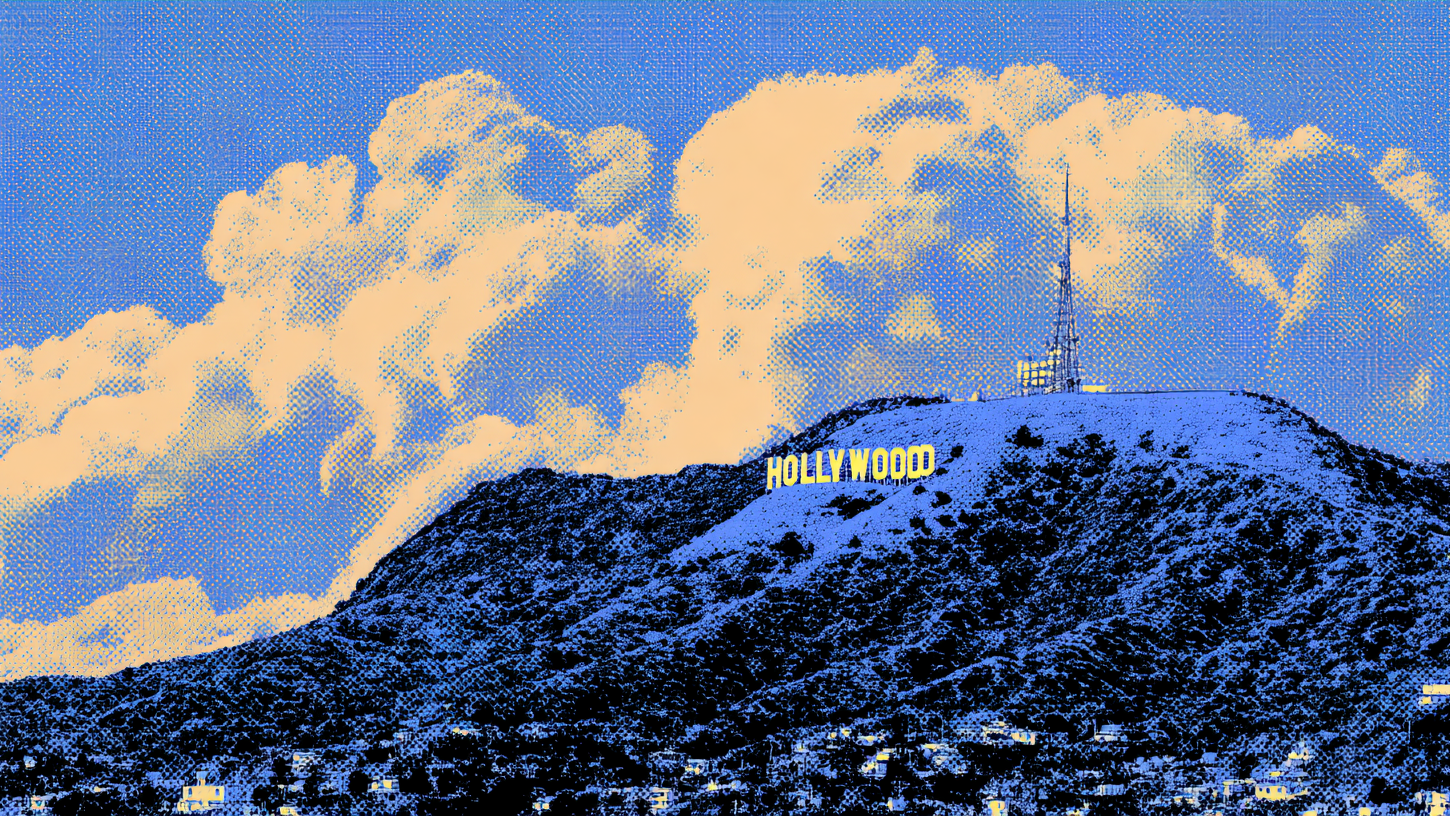
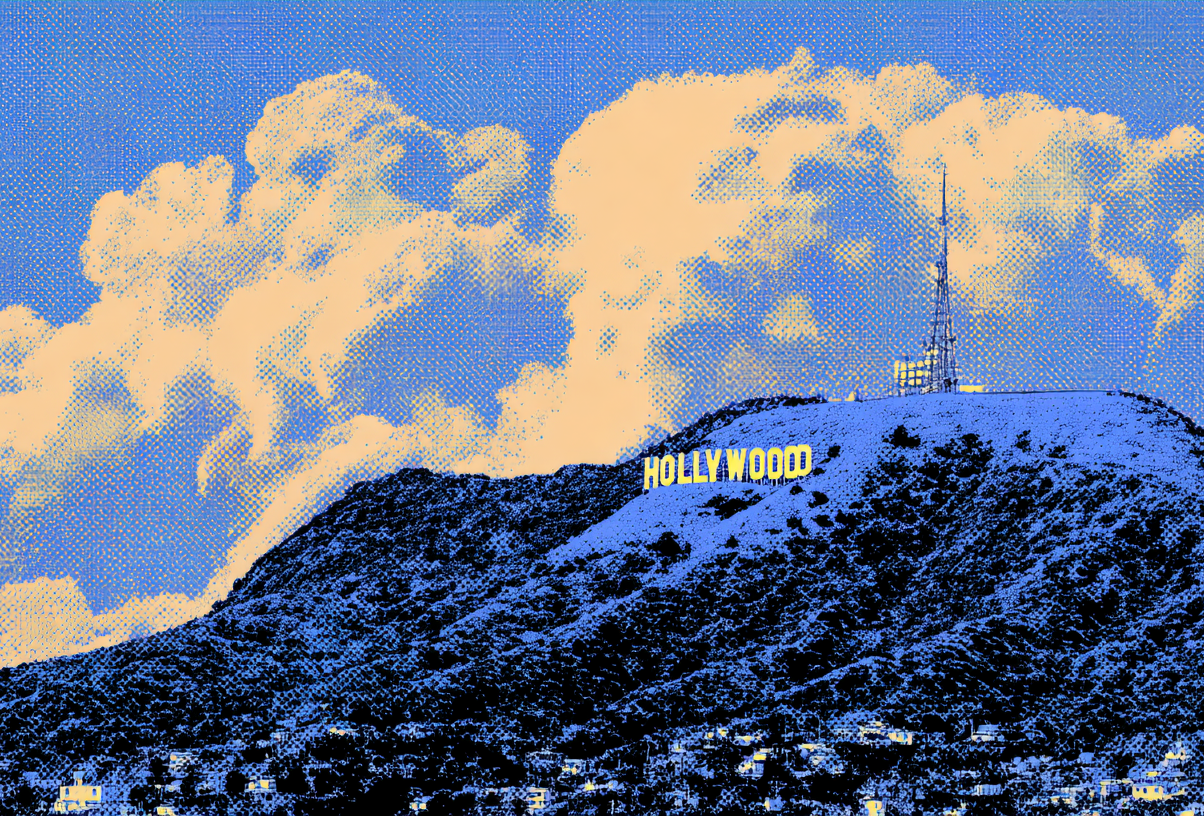
AI is growing increasingly capable of making realistic images and videos. Hollywood is still deciding what to do about it.
Last week, two major entertainment awards institutions, the Academy of Motion Picture Arts and Sciences and the Golden Globes, made somewhat contrasting decisions about how to handle the onset of AI in the movie industry. It signals that a schism may be forming in an industry that had once largely rallied against the use of generative AI technologies.
Here’s what could be eligible come awards season:
- The Academy of Motion Picture Arts and Sciences, which hosts the Oscars, last week updated its rules that ban AI-generated acting and writing for films from awards eligibility. Specifically, the Academy notes that acting must be "demonstrably performed by humans" and writing "must be human-authored" in order to be nominated. The Academy noted that this is a “substantive” change from previous rules. However, outside of acting and writing, the use of AI tools will “neither help nor harm the chances of achieving a nomination.”
- The Golden Globes took a more lenient approach. On Friday, the organization said that AI does not automatically disqualify a movie or TV show from awards contention. However, in order to be considered, “human creative direction, artistic judgment, and authorship remain primary throughout the production process.” AI may be used as part of the production process, but cannot replace “core creative contributions” of human talent. For instance, AI doesn’t render an actor’s performance ineligible, so long as those tools were used to enhance, rather than replace, and must be authorized by the performer.
With these decisions, these entertainment industry institutions are seeking to draw the lines before it’s too late. Many, however, have fought AI thus far: The biggest talent agencies in the industry, for instance, largely opted their clients out of their likenesses being used in OpenAI’s Sora (RIP).
And in January, a coalition of actors, artists and performers launched a petition called “Stealing isn’t Innovation” via the Human Artistry Campaign, protesting the “illegal mass harvesting of copyrighted works.” Some of the hundreds of signatories include Scarlett Johansson, Cate Blanchett, REM, and Jodi Picoult.
However, other industry figureheads have warmed up to the idea of figuring out where AI fits in. For instance, Charles Rivkin, head of the Motion Picture Association, rallied against OpenAI's Sora in October for concerns over copyright infringement, but said in a speech at CinemaCon last month that AI can “bolster the art of storytelling” in the hands of creators.
Our Deeper View
AI adds a layer of complexity to an industry that’s based entirely on the act of creation. While a lot of the content that AI generates can be chalked up to slop, it’s getting harder and harder to tell authentic from synthetic. There are some measures in place to sift out real from fake content, such as the C2PA standard, but the proliferation of this content may be outpacing our ability to track it. It raises the question: Will consumers eventually be unable to tell the difference between something made by humans and something made by machines? And even more concerning: Will they care?